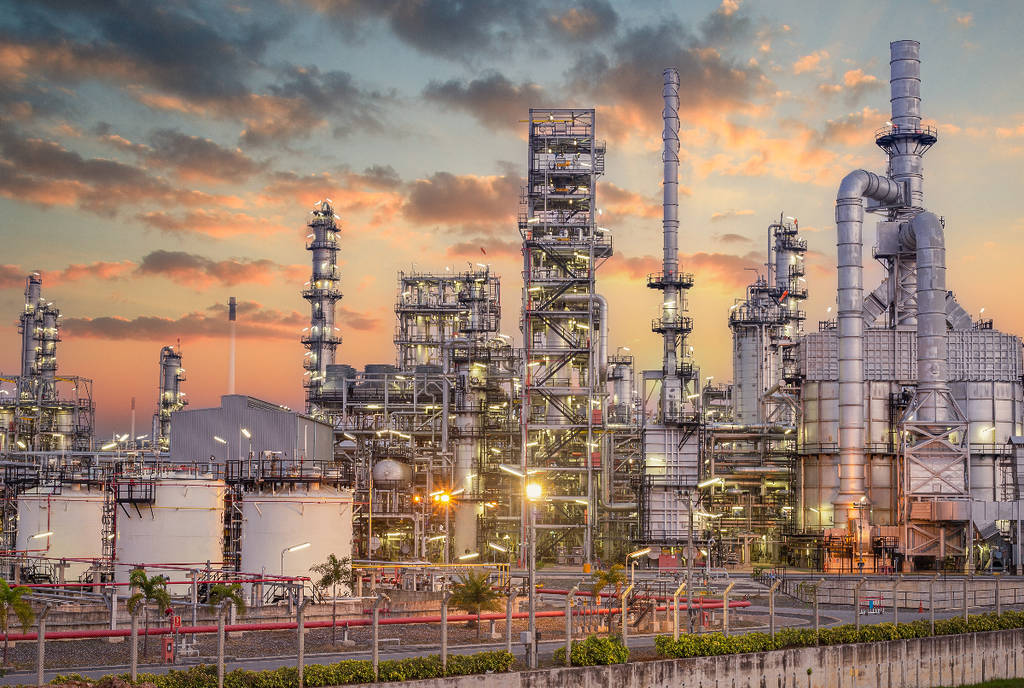
Donald Trump has announced the planned construction of a major new oil refinery in Brownsville, Texas, representing a significant development in the United States energy sector. The project, valued at an estimated $300 billion, is backed by Reliance Industries Limited (RIL), India’s largest privately held corporation. This facility would mark the first new oil refinery built in the United States in 50 years.
The project is expected to generate thousands of jobs and stimulate economic growth in the South Texas region. The investment by Reliance Industries, one of the world’s largest private sector companies with extensive experience operating the world’s largest refining complex in Jamnagar, India, underscores the project’s scale and international significance.
America First Refining (AFR), the company spearheading the project, plans to construct the facility at the Port of Brownsville, a strategically located deep-water port. The refinery is unique in its focus, designed to process exclusively American light shale oil, primarily from the Permian Basin. AFR claims this approach, coupled with the use of hydrogen-sourced power, will result in the production of some of the cleanest fuels in the United States.
Upon completion, the refinery is projected to produce approximately 160,000 barrels of oil per day, amounting to roughly 60 million barrels per year. The project’s emphasis on processing domestic shale oil aims to enhance national energy security by reducing reliance on imported crude.
The agreement includes a 20-year offtake contract with Reliance Industries, committing the company to purchase and distribute the refinery’s entire output. This deal is projected to have a total economic impact of $300 billion over the next two decades and is expected to contribute to reducing the United States’ trade deficit with India.
AFR intends to commence construction on the refinery as early as the second quarter of 2026. The company aims for the first phase to be operational by 2027, with an initial production capacity of around 50,000 barrels per day. The project will expand the already extensive refining capacity along the Gulf Coast, which currently hosts eight of the ten largest refineries in the United States.