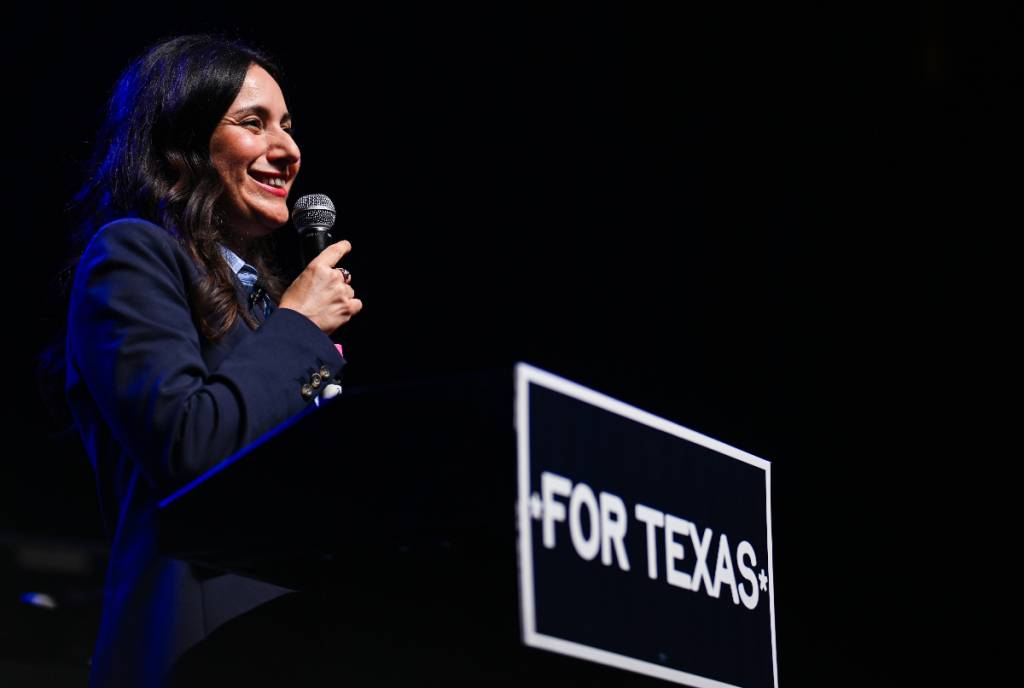

Dallas households could receive a one-time $1,500 payment under a proposal backed by Texas Governor-elect Gina Hinojosa—but several hurdles stand between the plan and your bank account.
State Sen. Roland Gutierrez has filed legislation to put Hinojosa’s campaign pledge into motion, proposing roughly $17 billion in funding from the state’s Rainy Day Fund. The bill offers a first look at how eligibility, applications and payments could work. It does not mean checks are guaranteed.
What is the proposed payment?
The plan calls for one $1,500 payment per household, not per resident. Hinojosa has described the proposal as a way to return state money to Texans facing pressure from everyday costs.
The money would come from the Rainy Day Fund, formally known as the Economic Stabilization Fund. Hinojosa’s proposal would draw approximately $17 billion from the reserve while aiming to leave around $10 billion in savings.
She has said she would make affordability an emergency priority on her first day in office in January. Lawmakers would still need to authorize both the program and the use of the money.
Would Dallas residents qualify?
The proposal is statewide, so eligible Dallas households would be included alongside households elsewhere in Texas. Under the filed bill, households would need to be living in Texas as of January 1, 2027.
The Comptroller’s office would be responsible for determining eligibility and distributing payments. The bill would allow residents to apply and submit documents such as a lease or utility bill, while also allowing officials to use information already lawfully available to state agencies. Final rules have not been established.
When would checks arrive?
The bill’s goal is to issue payments by the end of 2027, with applications accepted through the end of 2028. That timetable depends on the legislation passing and the state building a system to deliver the money. It is not a guaranteed payout date.
What has to happen first?
The funding would require support from two-thirds of the members present in both legislative chambers—a substantial hurdle requiring bipartisan backing.
The proposal also faces a legal uncertainty. Because Texas generally bars direct grants of public money to individuals outside exceptions such as a “public calamity,” the bill declares the affordability crisis a calamity to justify the payments. Whether that interpretation is legally valid remains unresolved.
For now, Dallas residents cannot apply through the proposed program. The next step is legislative approval—not a check in the mail.