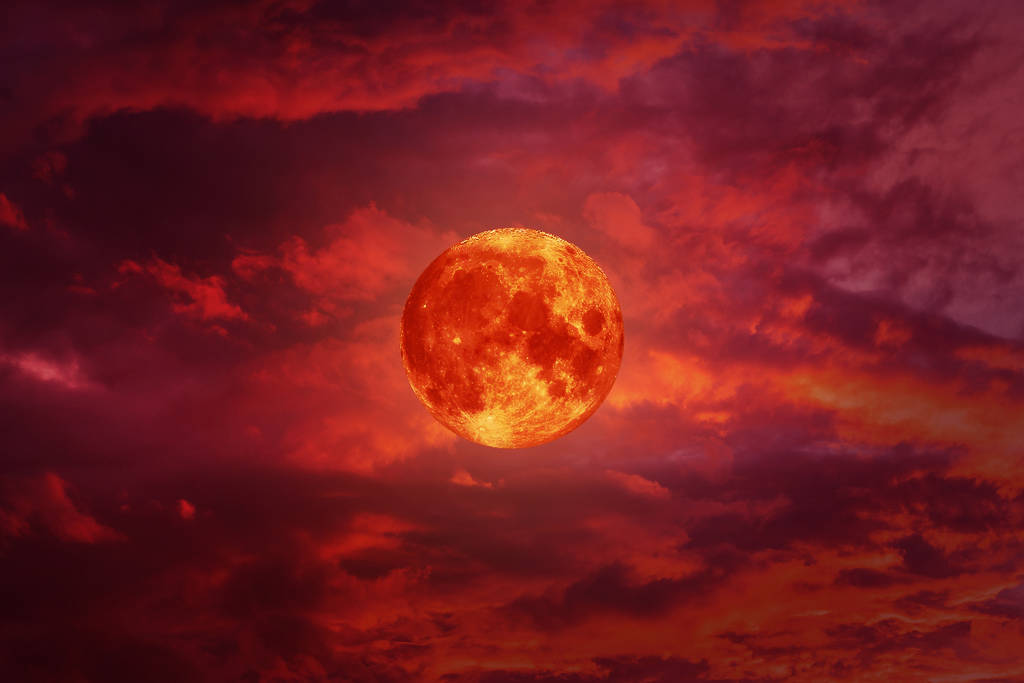
This March, the Big D is getting a front-row seat to a stunning ‘Blood Moon’ total lunar eclipse, where the moon will take on a deep, crimson hue just before the sun comes up.
What exactly is a Blood Moon?
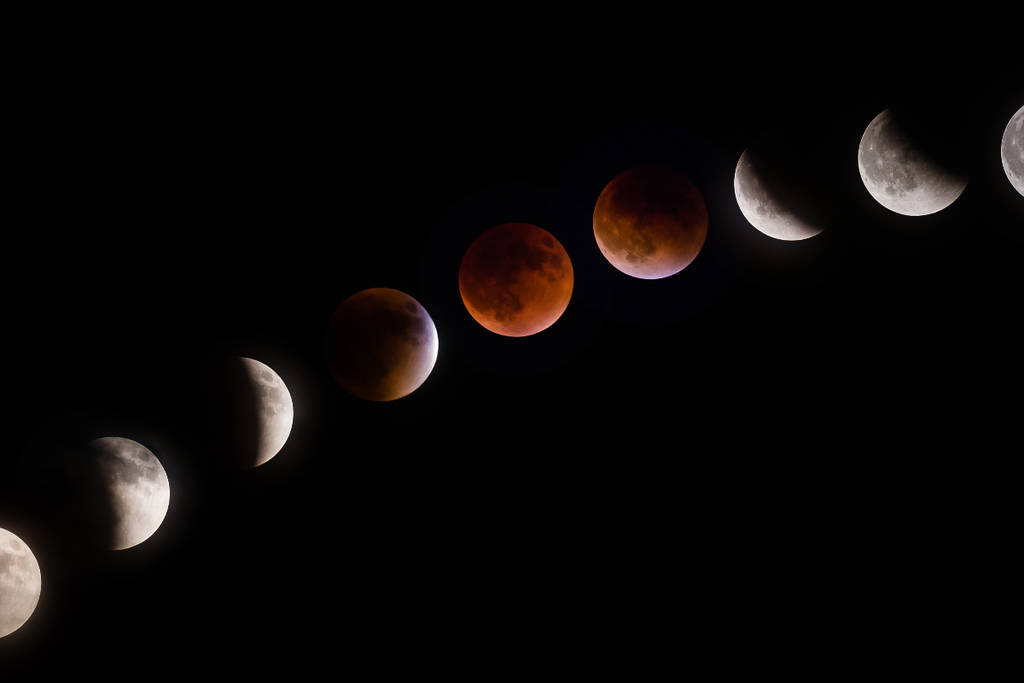
A total lunar eclipse happens when the Moon is fully swallowed by the Earth’s darkest shadow, known as the umbra. This March, the full ‘Worm Moon’ will drift into this shadow, causing it to lose its usual brilliant silver glow.
But it won’t go pitch black. Instead, the moon transforms into a deep reddish-orange. This happens because Earth’s atmosphere acts like a lens, bending long red wavelengths of light into the shadow while filtering out the blue—painting the lunar surface in that famous “Blood Moon” glow.
When to catch the show in Dallas
The celestial event spans from March 2 – March 3, 2026, but the real action happens in the early morning hours of Tuesday. In Dallas, the timing is perfect for early risers:
- Partial Eclipse Begins: 4:50 AM (CST) – Look for the Earth’s shadow to start dimming the moon’s edge.
- Total Eclipse (The Blood Moon) Starts: 5:58 AM – The moon begins its dramatic transformation into a blood-red orb.
- Totality Peak: The moon will reach its deepest shade of red at 6:33 AM, right as it hangs low in the western sky.
- The Best Viewing Window: For the most vibrant colors, plan to be outside from 6:00 AM to 6:35 AM on Tuesday, March 3.
This marks the first total lunar eclipse we’ve seen since September 2025, and it’s a rare opportunity—we won’t see another one like it until New Year’s Eve in 2028!
Will it be visible in Dallas?
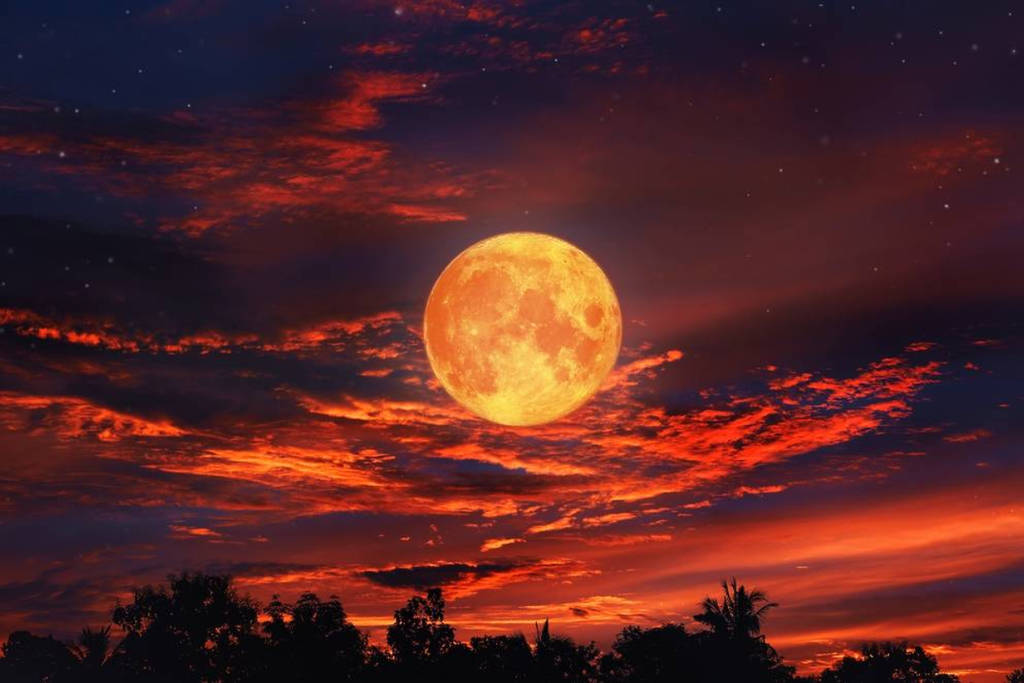
As long as those North Texas clouds stay away, Dallas will have a fantastic view. However, because the moon will be setting in the West during the peak of the eclipse, your location matters.
To get the best view, head to a spot with an unobstructed western horizon. White Rock Lake or the overpasses near the Trinity River are prime locations to watch the Blood Moon dip toward the skyline. While the absolute best vantage points for this specific cycle are in the Southwest U.S. and Mexico, Dallas is perfectly positioned to catch the most dramatic moments of totality before moonset.