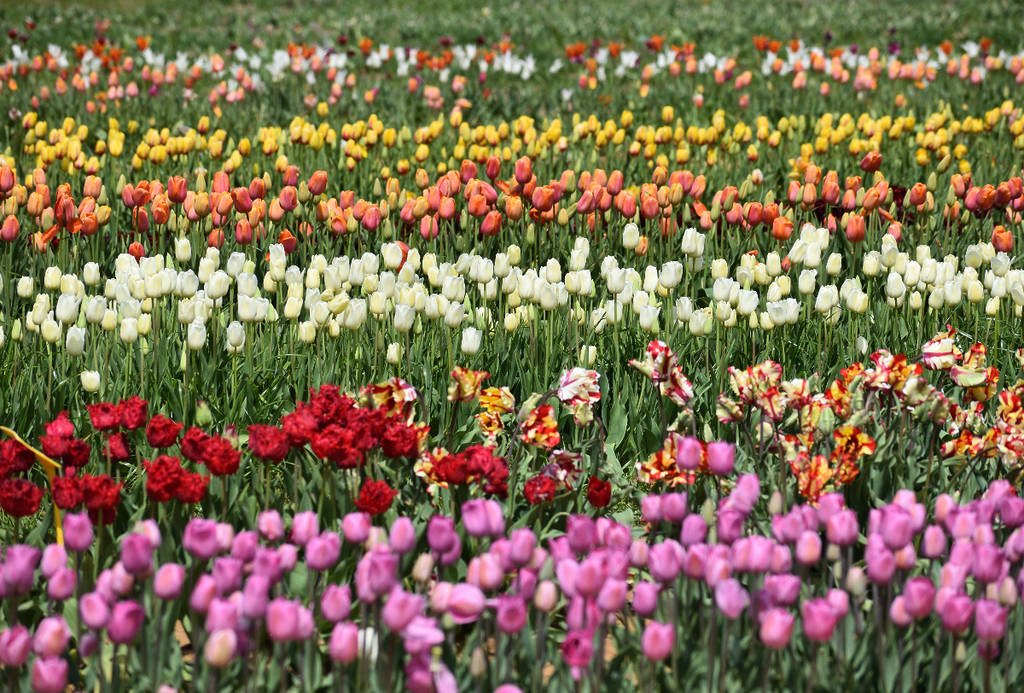
Spring has officially sprung. The bluebonnets are gearing up for their annual debut, the fields at Texas Tulips are calling your name, and—if you’re like most of us—your allergies are already staging a hostile takeover.
But before you get too comfortable with those rising temps, don’t forget that the annual “time tax” is nearly here. That’s right: Daylight Saving Time is about to kick in, stealing an hour of our sleep but gifting us those glorious, long Texas sunsets.
Here is everything you need to know about the shift for 2026:
When exactly do we change the clocks?
Mark your calendars: Daylight Saving Time officially begins on Sunday, March 8, 2026, at 2:00 AM. Because March 1st fell on a Sunday this year, we are hitting the time jump at the earliest possible date allowed by the calendar. At 2:00 AM, your devices will magically skip ahead to 3:00 AM.
- The Bad News: You’re losing an hour of precious Saturday-night shuteye.
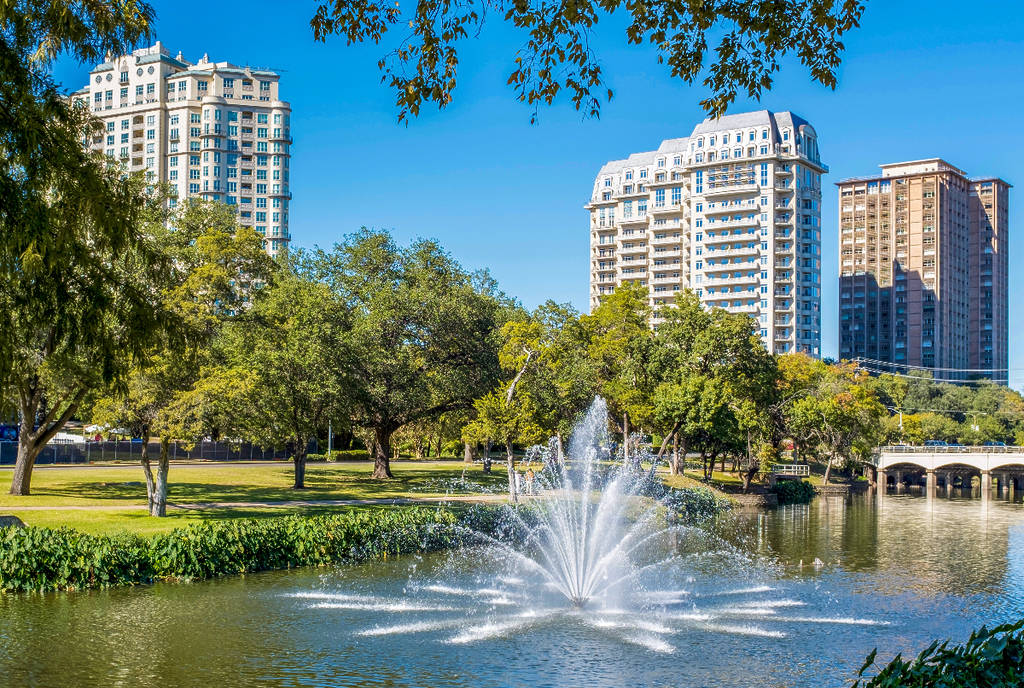
- The Good News: Sunset on Sunday will be significantly later, meaning more time for evening walks at White Rock Lake.
The “Spring Forward” Survival Guide
While that extra hour of evening light is a mood-booster, the physical “jump” can be a bit of a localized disaster for your internal clock. According to health experts, shifting our circadian rhythms so abruptly can lead to some temporary grogginess, mood swings, and even increased cardiovascular stress.
To make sure you aren’t a total zombie on Monday morning, here’s how to prep:
- The Incremental Shift: Starting tonight, try hitting the hay 15–30 minutes earlier than usual.
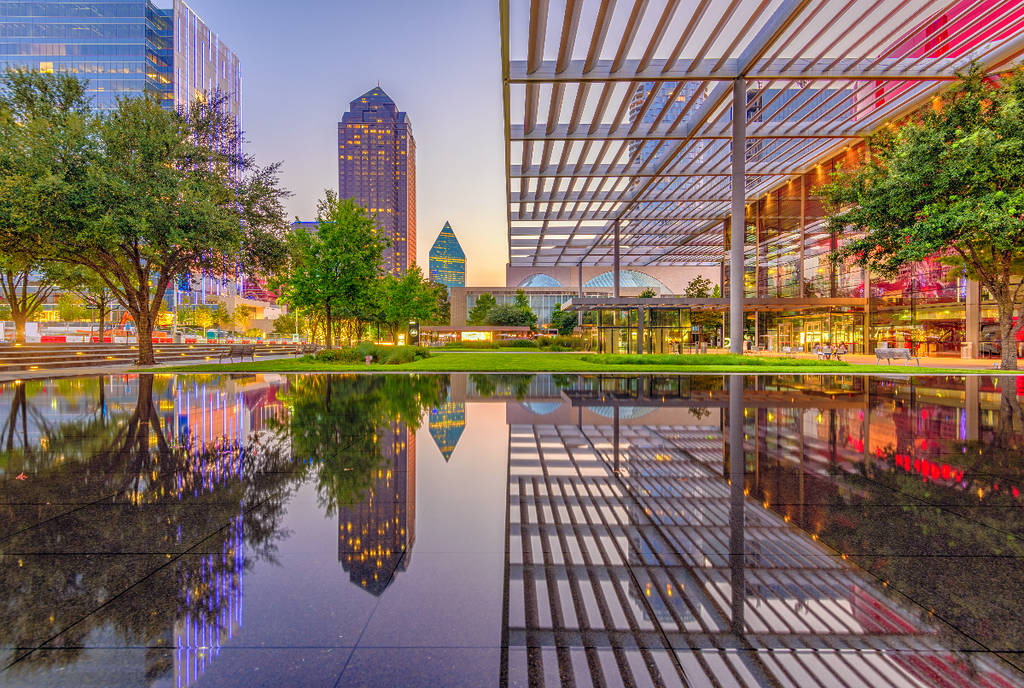
- Chase the Light: Head outside for a walk at Klyde Warren Park first thing Sunday morning. Natural sunlight is the fastest way to “reset” your internal brain-clock.
- The Caffeine Cutoff: As tempting as a late-afternoon cold brew sounds, try to avoid caffeine after midday on Sunday to ensure you actually fall asleep at your “new” bedtime.
Why are we still doing this?
We can blame 1916 Germany for starting the trend (originally as a way to save fuel during WWI). While the U.S. adopted it for similar energy-saving reasons, the modern-day push to keep the clocks moving comes largely from the retail and recreation sectors.
Think about it: you’re much more likely to grab dinner at a Bishop Arts patio or hit the golf course if the sun is still up when you clock out of work.