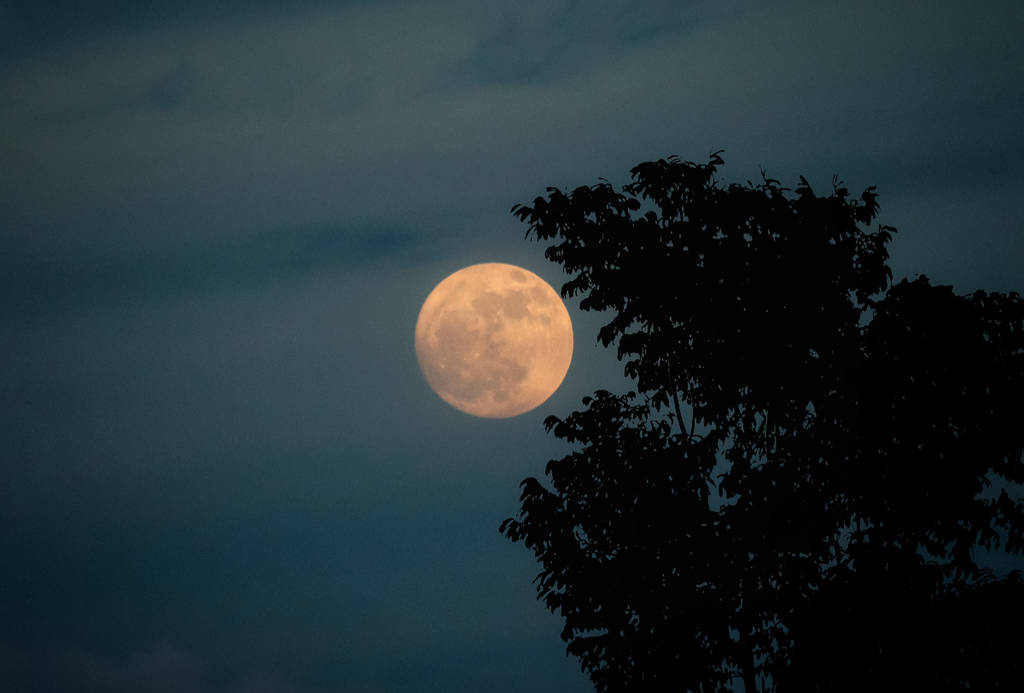
Following the massive “Wolf Moon” supermoon that kicked off January, a new celestial highlight is about to take center stage. Known as the Snow Moon, February’s full moon is set to rise over Texas this Sunday, offering a brilliant start to the month.
While it reaches its official “full” status on Sunday, February 1, you won’t have to wait until then to enjoy the view. The moon will appear nearly perfect and high in the sky for several nights leading up to and following its peak.

Why the “Snow Moon”?
The name originated from Native American traditions, specifically the Dakota, who used the moon to track the seasons. February has historically been recorded as the snowiest month in North America, leading many tribes to associate this lunar cycle with deep winter.
However, because survival was often difficult during this freezing stretch, other tribes used more cautionary names:
- The Hunger Moon: Used by the Cherokee to describe the scarcity of food this time of year.
- The Boney Moon: A reference to the lack of prey and lean times.
- Animal Names: Other cultures focused on nature’s stirrings, calling it the Bear Moon (Ojibwe), Goose Moon, or Groundhog Moon.
When and Where to Watch in Dallas
For those in the Houston area, the Snow Moon will reach peak illumination at 4:09 PM CST on Sunday, February 1, 2026.
Since this peak occurs just before sunset, the best time to watch it rise is during twilight. Look toward the East as the sun sets; the moon will glow near the bright star Regulus (the “heart” of the Leo constellation) all night long.
What’s Next? A Rare “Blood Moon” Eclipse
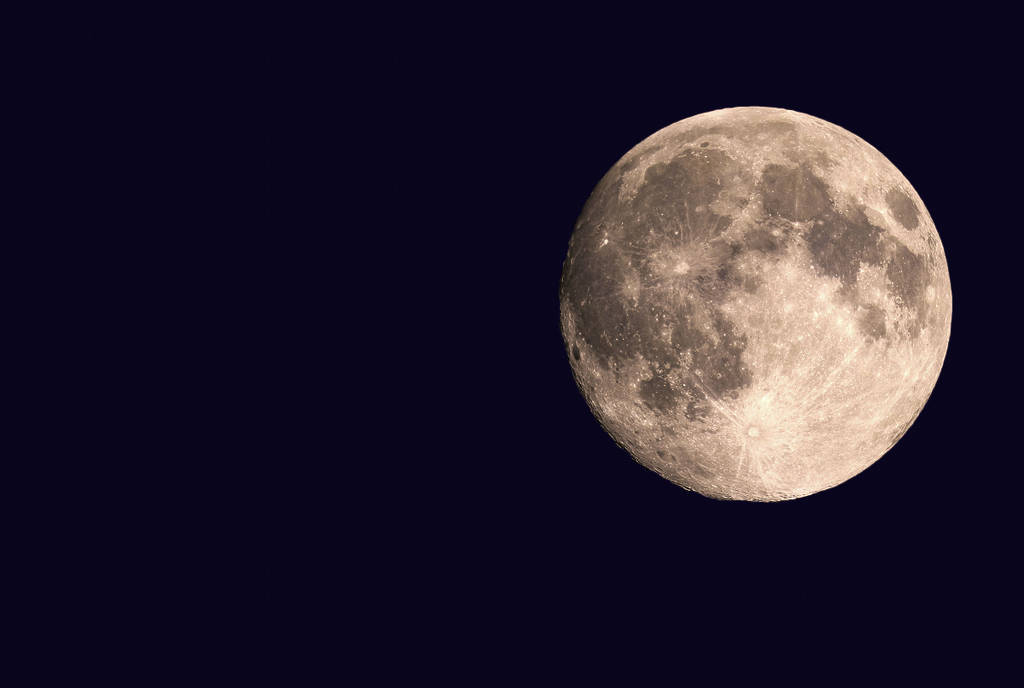
If you enjoy this weekend’s show, mark your calendars for March 3, 2026. The next full moon—the Worm Moon—will coincide with a Total Lunar Eclipse.
Often called a “Blood Moon” due to the reddish-orange hue it takes on while in Earth’s shadow, this will be the last total lunar eclipse visible until late 2028.